Evershine Power Laundry Home

Category

Facility Management & Seasonal Maintenance

16 articles

Four Seasons, Four Threats: Why a Fixed Cleaning Schedule Leaves Your Facility Exposed Year-Round

Four Seasons, Four Threats: Why a Fixed Cleaning Schedule Leaves Your Facility Exposed Year-Round

Every season delivers a distinct category of contamination to your facility's surfaces, equipment, and exterior infrastructure—and a single annual cleaning cycle addresses none of them adequately. This analysis examines the biological, chemical, and structural threats introduced by each quarter of the calendar year, and presents a framework for building a maintenance protocol that evolves alongside environmental conditions rather than falling behind them.

When Dirty Equipment Stops the Clock on Your Entire Supply Chain

When Dirty Equipment Stops the Clock on Your Entire Supply Chain

A single contaminated production line or a deferred cleaning cycle can do far more than trigger a failed inspection — it can halt inventory movement across an entire distribution network. This article examines how facility managers who treat professional cleaning as a discretionary expense are unknowingly introducing fragility into their supply chains, and what the downstream consequences truly cost.

Spill Today, Shutdown Tomorrow: Why the First 72 Hours After Organic Contamination Define Your Facility's Regulatory Future

Spill Today, Shutdown Tomorrow: Why the First 72 Hours After Organic Contamination Define Your Facility's Regulatory Future

A minor grease leak or chemical spill may appear manageable at first glance, but the microbial clock starts ticking the moment contamination reaches a surface. Facility managers who underestimate the speed of bacterial colonization routinely find themselves facing health code violations that trace directly back to a delayed cleaning response. Understanding the 72-hour biological threshold is no longer optional — it is the difference between a routine maintenance call and a regulatory shutdown.

Thirty Days or Sixty? What the Biology of Biofilm Formation Means for Your Cleaning Schedule

Thirty Days or Sixty? What the Biology of Biofilm Formation Means for Your Cleaning Schedule

Biofilm does not wait for a convenient inspection date. On industrial surfaces, microbial colonization follows a predictable biological timeline that most cleaning schedules fail to account for — and the consequences range from failed audits to accelerated equipment degradation. Understanding the science behind contamination spread is the first step toward building a service interval that actually protects your facility.

Documented Clean: How Rigorous Maintenance Records Are Becoming a Strategic Business Asset for Facility Managers

Documented Clean: How Rigorous Maintenance Records Are Becoming a Strategic Business Asset for Facility Managers

Forward-thinking facility managers are discovering that professional cleaning documentation is far more than an administrative formality—it is a measurable competitive instrument. From negotiating reduced insurance premiums to outperforming rivals during contract evaluations, the facilities with the most thorough cleaning records are consistently winning where it counts. This investigative piece examines how industrial cleanliness standards have evolved into a quantifiable business intelligence

Cleaning on the Clock: Why Off-Hours Power Washing Schedules Are the Smartest Operational Decision You Haven't Made Yet

Cleaning on the Clock: Why Off-Hours Power Washing Schedules Are the Smartest Operational Decision You Haven't Made Yet

Industrial facilities rarely stop moving, and that constant motion is precisely what makes routine cleaning so difficult to prioritize. Off-shift and overnight power washing schedules offer a solution that keeps operations running while ensuring compliance and cleanliness are never sacrificed. This article examines how facility managers can design cleaning windows that work with their production calendar—not against it.

Colonization in Hours, Not Days: The Microbiology Behind Commercial Surface Contamination and What It Means for Your Inspection Calendar

Colonization in Hours, Not Days: The Microbiology Behind Commercial Surface Contamination and What It Means for Your Inspection Calendar

Most facility managers think of contamination as a slow-building problem, but the science tells a far more urgent story. Pathogenic bacteria and biofilm communities can establish a foothold on neglected commercial surfaces within 72 hours—sometimes less. Understanding this timeline is essential for scheduling professional cleanings before your next inspection puts your facility at risk.

What Comes In With the Wind: The Link Between Dirty Building Exteriors and Compromised Indoor Air Quality

What Comes In With the Wind: The Link Between Dirty Building Exteriors and Compromised Indoor Air Quality

Most facility managers focus on what happens inside their buildings when addressing air quality and workforce health. Yet the exterior envelope of a commercial property is frequently the primary source of the biological and chemical contaminants that ultimately find their way indoors — a connection that industrial hygiene professionals have long recognized but that remains underappreciated in routine maintenance planning.

Algae, Moss, and Biofilm: The Invisible Forces Destroying Your Commercial Surfaces

Algae, Moss, and Biofilm: The Invisible Forces Destroying Your Commercial Surfaces

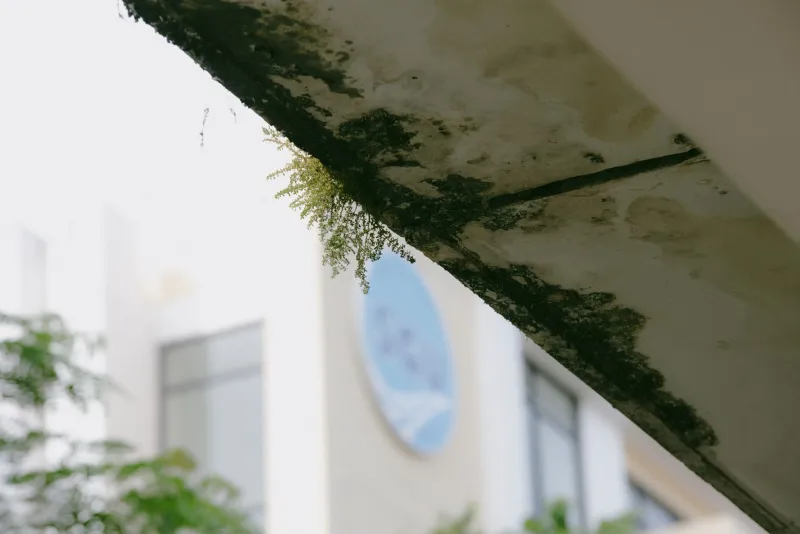
Biological growth on commercial surfaces is far more than an eyesore—it is an active, ongoing assault on the structural integrity of your property. Understanding how algae, moss, and biofilm operate at a material level reveals why preventive intervention is always less expensive than reactive repair. This article breaks down the science, the financial stakes, and the case for professional power washing as a long-term asset protection strategy.

Compliance Is Not Optional: Decoding the Cleaning Requirements OSHA, Health Departments, and Insurers Expect from Industrial Facilities

Compliance Is Not Optional: Decoding the Cleaning Requirements OSHA, Health Departments, and Insurers Expect from Industrial Facilities

Industrial facilities — from food processing plants to warehouses and manufacturing floors — operate under a layered web of cleaning and sanitation requirements set by federal regulators, state health departments, and commercial insurers. Understanding precisely what is legally mandated versus what is simply recommended best practice is not a matter of preference; it is a matter of operational survival. This guide breaks down those obligations and identifies where professional cleaning services

What Your Loading Dock Says Before Anyone Shakes Your Hand

What Your Loading Dock Says Before Anyone Shakes Your Hand

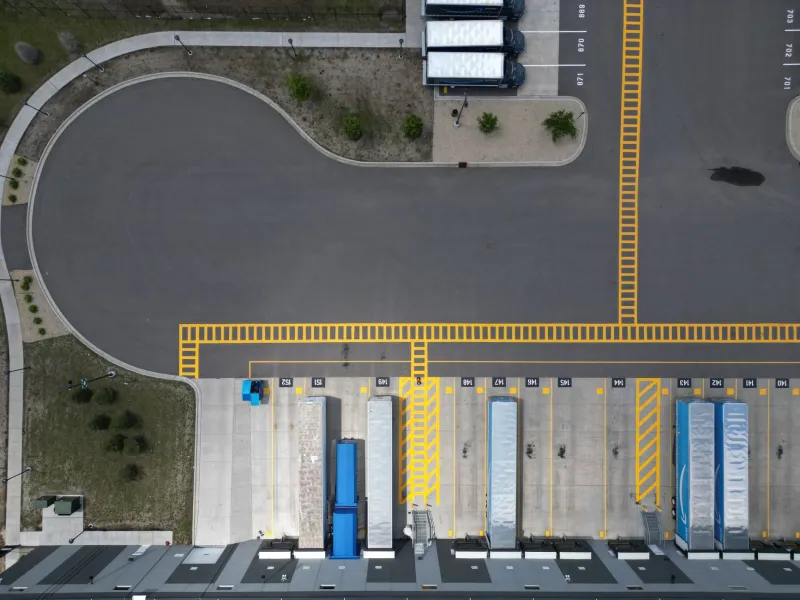
In logistics and manufacturing environments, first impressions are rarely made in conference rooms — they are made on the floor, at the dock, and alongside the vehicle staging areas that clients and partners walk past long before any formal meeting begins. A grimy loading dock and oil-stained equipment yard communicate operational carelessness more effectively than any audit finding. This article examines how strategic industrial cleaning of these high-traffic zones directly influences contract

Your Parking Lot Is Talking to Your Tenants and Clients. What Is It Saying?

Your Parking Lot Is Talking to Your Tenants and Clients. What Is It Saying?

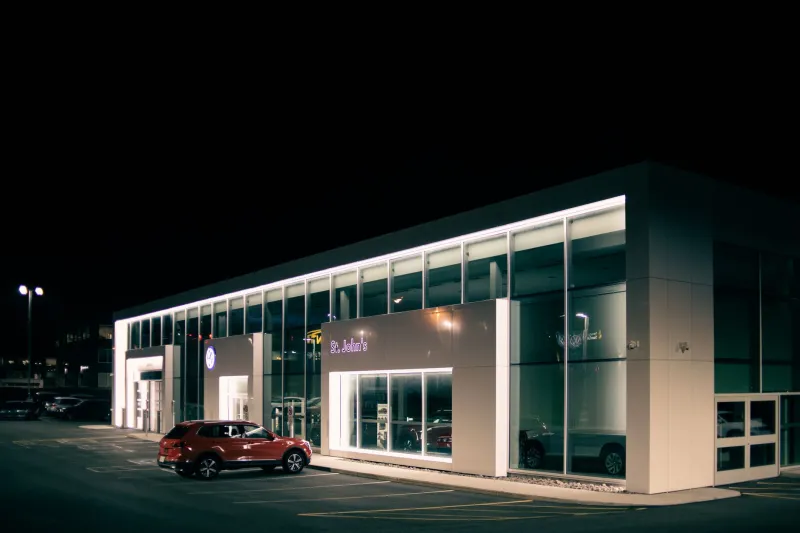
Facility managers invest heavily in interior renovations, lobby upgrades, and landscaping—while the parking lot, the first physical space every visitor encounters, goes without a structured cleaning program for months at a time. Research consistently links exterior pavement condition to leasing rates, customer retention, and perceived operational quality. This article examines why parking lot maintenance is a business performance issue, not merely a housekeeping one, and offers a practical frame

Moisture, Mold, and Failed Inspections: What Your Building's Exterior Is Hiding

Moisture, Mold, and Failed Inspections: What Your Building's Exterior Is Hiding

Commercial property inspections increasingly flag mold and moisture issues that originate not inside a building, but on its exterior surfaces. Accumulated organic matter—algae, dirt, and biological growth—creates a moisture-trapping environment that standard cleaning methods rarely address. Professional power washing serves as a critical line of defense, helping facility managers stay ahead of costly inspection failures.

The Facility Manager's Spring Cleaning Playbook: Industrial-Grade Tasks That Protect Your Property All Year Long

The Facility Manager's Spring Cleaning Playbook: Industrial-Grade Tasks That Protect Your Property All Year Long

Spring is the optimal window for commercial property managers to address the accumulated wear of winter months and prepare exterior and interior surfaces for peak business activity. This comprehensive checklist outlines the essential power washing and deep cleaning priorities that facility directors should complete each season, with guidance on safety protocols, equipment standards, and the long-term property benefits of professional industrial cleaning.